A practical look at why meticulous cleaning matters, what recent testing across Scottish sterile services departments revealed, and how teams can improve consistency without adding unnecessary steps.
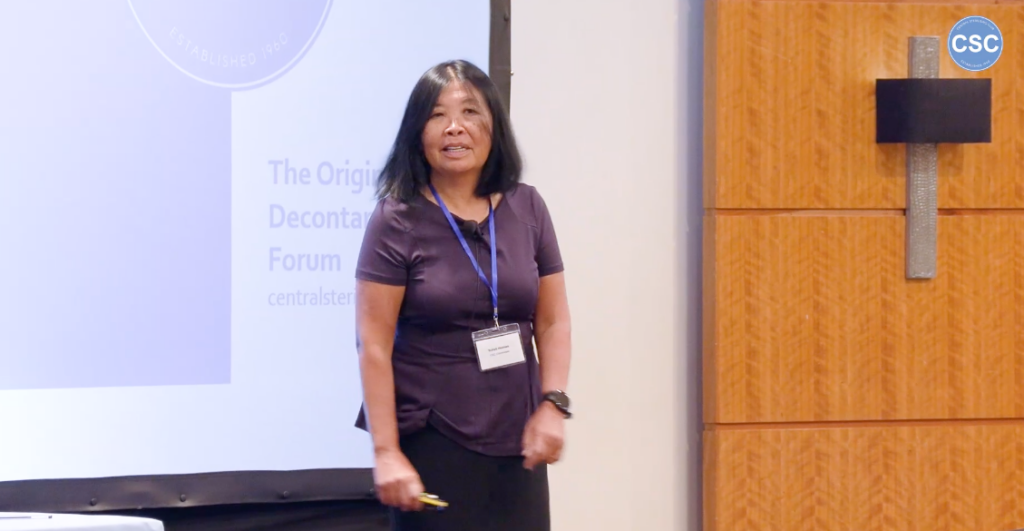
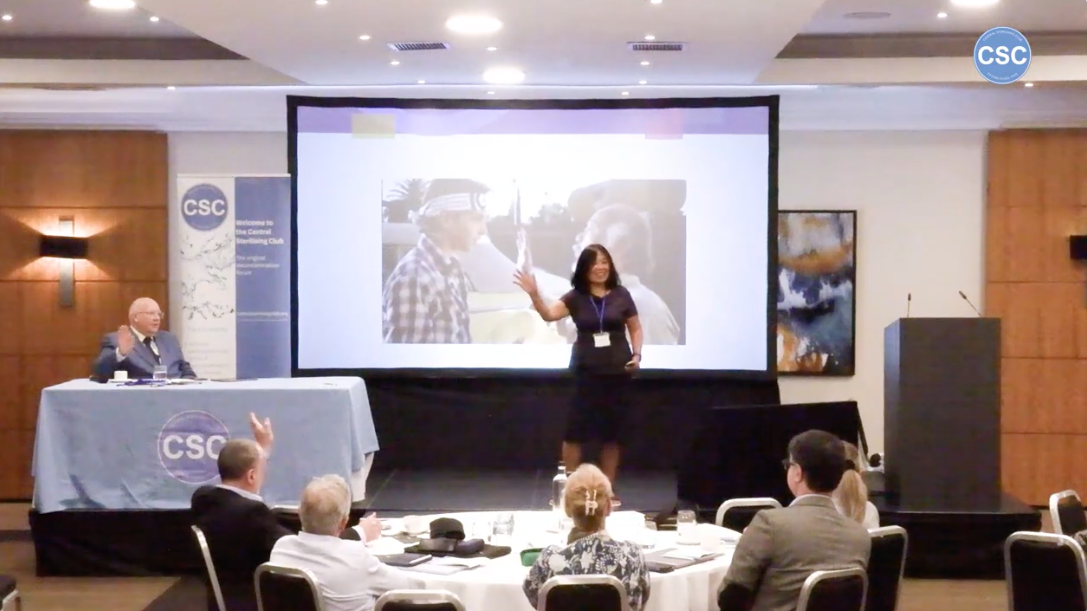
At a recent Central Sterilising Club session, Sulisti Holmes brought energy, humour and a memorable Karate Kid analogy to one of the most important topics in sterile services: cleaning surgical instruments properly. Her message was simple but powerful — cleaning is not just a technical step before sterilisation; it is a critical safeguard for patients, staff and services.
Why Cleaning Comes First
As the presentation reminded delegates, if an item cannot be cleaned effectively, it cannot be sterilised effectively. Residual soil can prevent sterilising agents from reaching instrument surfaces, while body fluids may contain chlorides that contribute to corrosion. Most importantly, contamination can carry real patient safety risks.
The audience was also reminded of the deeply human impact behind decontamination practice. In discussing Creutzfeldt-Jakob disease (CJD), Sulisti highlighted that some risks cannot be managed by sterilisation alone. Meticulous cleaning remains one of the most important ways to reduce the potential for harm.
The Question Behind the Study
The study began with a familiar concern in sterile services departments: is manual cleaning truly necessary for every instrument? Manual cleaning can be physically demanding and may expose staff to risks such as needlestick injury, blood-borne viruses, fatigue and musculoskeletal strain — particularly when teams are working with heavily contaminated trays under time pressure.
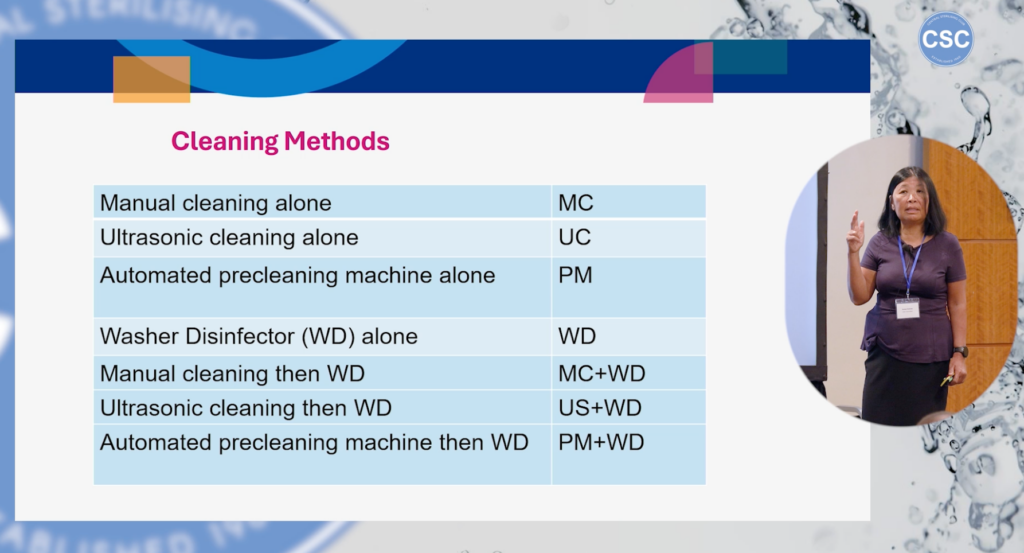
To explore this, the team compared the cleaning effectiveness of several methods across four sterile services departments in Scotland, testing 1,083 instruments in total. The study included both standard test sets and live sets returned from theatre for reprocessing.
Seven Cleaning Approaches Compared
The study compared seven approaches: manual cleaning alone, ultrasonic cleaning alone, automatic pre-cleaning alone, washer-disinfector alone, manual cleaning followed by washer-disinfector, ultrasonic cleaning followed by washer-disinfector, and automatic pre-cleaning followed by washer-disinfector.
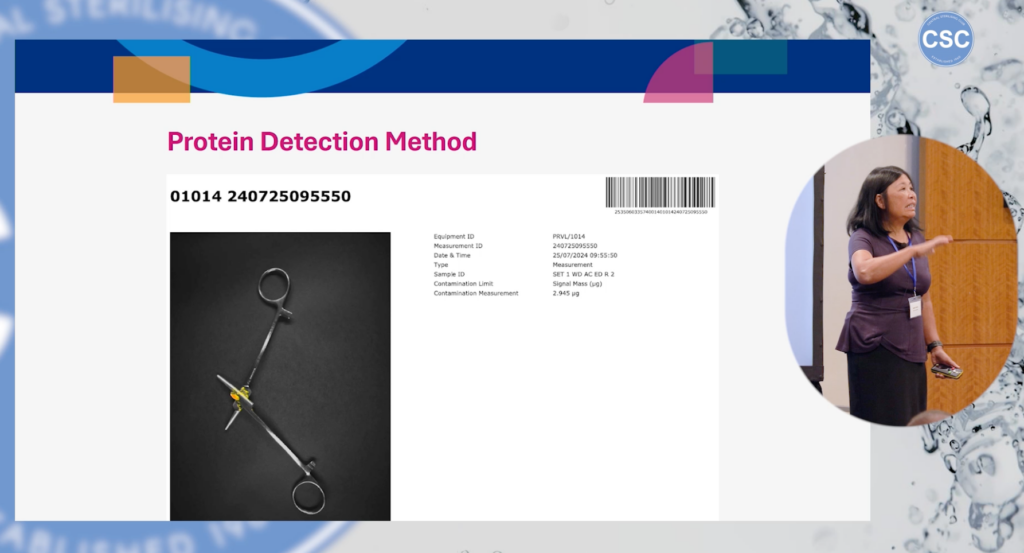
After cleaning, instruments were assessed for protein residue on external surfaces using a method capable of detecting very low levels of contamination. The study focused on stainless steel instruments, as the detection method was not reliable for materials such as plastic or wood.
What the Results Showed
The headline finding was clear: when a washer-disinfector was part of the process, cleaning performance improved significantly. Success rates were reported above 95% where washer-disinfectors were used either alone or in combination with other methods.
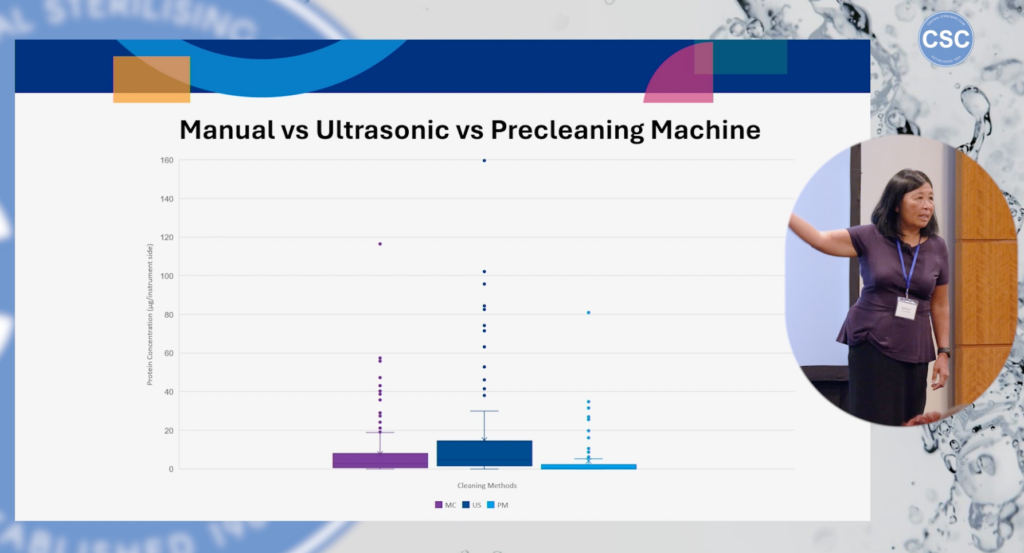
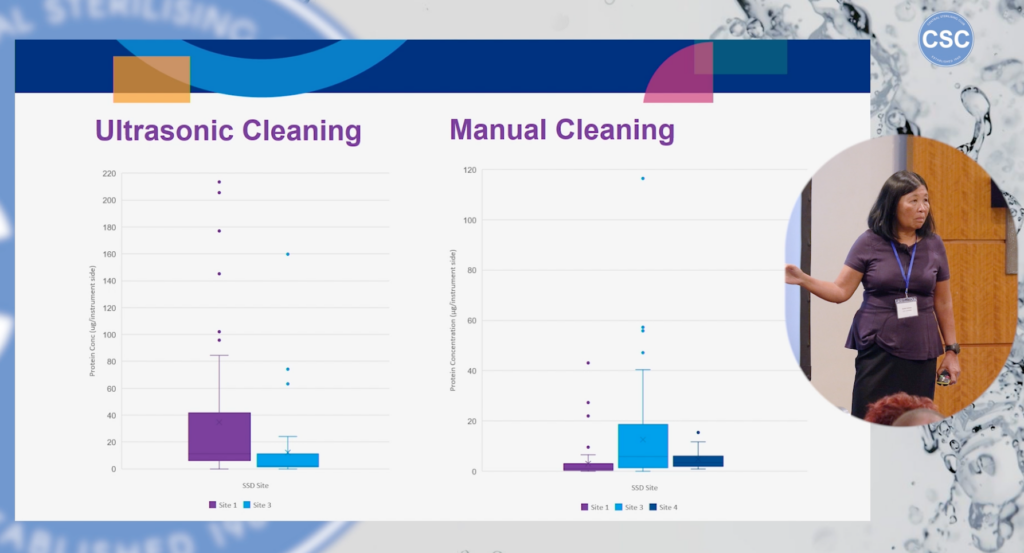
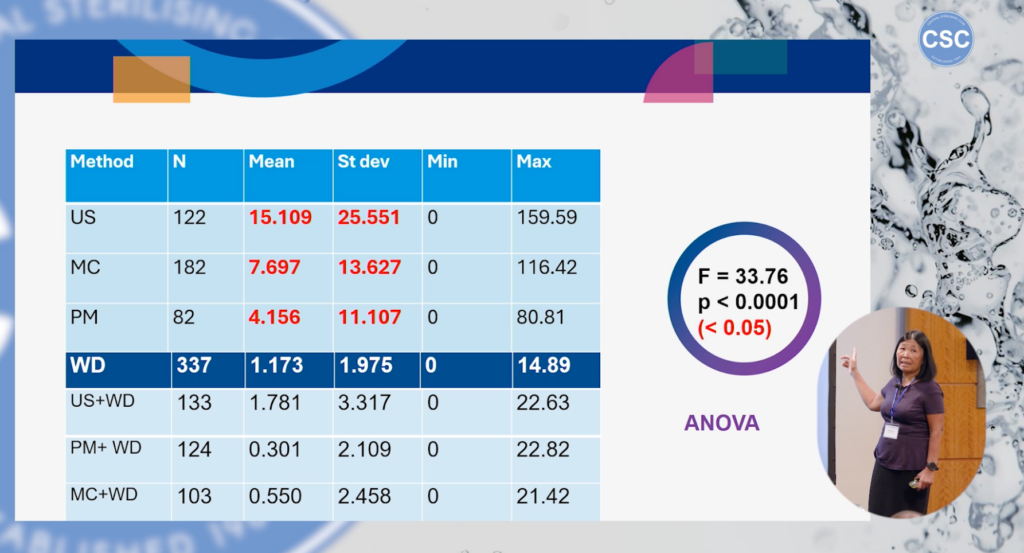
In comparison, ultrasonic cleaning showed higher protein residue and greater variability. Manual pre-cleaning and other additional pre-cleaning steps did not appear to significantly improve overall cleaning performance when added before washer-disinfector processing. Or, as Sulisti framed it through the Karate Kid theme: the washer-disinfector was the “black belt” performer — provided it was properly designed, set up, validated, maintained and operated.
Consistency Still Matters
While washer-disinfectors performed strongly, the study still found variation between departments. This reinforced an important point: effective cleaning is not about the machine alone. It depends on a combination of chemical action, temperature, mechanical action and time, along with detergent quality, cycle parameters, water pressure, spray arm performance, validation, maintenance and correct operation.
Loading technique also matters. Poor positioning, overloading or overshadowing can prevent instruments from being properly exposed during the cleaning cycle. The comparison with a domestic dishwasher was easy to understand: if items are stacked badly or hidden behind larger objects, they may not come out clean.
Do Not Let Soil Dry
The study also compared standard test sets with live sets from theatre. Standard sets carried heavier, dried-on test soil and produced higher protein residue after processing. This finding reinforced the value of immediate point-of-use care: wiping instruments after use, keeping them moist and processing them as soon as possible.
The practical message was straightforward: once soil dries, it becomes much harder to remove. Preventing drying is therefore an essential part of good decontamination practice.
Three Takeaways for Sterile Services Teams
- Focus on the right method. Washer-disinfectors delivered the strongest and most consistent cleaning performance in the study, but only when properly specified, validated, maintained and used.
- Handle, prepare and load instruments correctly. Avoid overloading, overshadowing and poor positioning, and prevent soil from drying before reprocessing.
- Invest in staff competency. Effective cleaning relies on knowledge, training and repeated good practice — or, in the words of Mr Miyagi, “wax on, wax off.”
A Clear Direction for Practice
For sterile services teams reviewing their processes, the findings offer encouragement and challenge in equal measure. Additional manual or pre-cleaning steps may not always deliver better outcomes, especially if the washer-disinfector process is already effective. Instead, departments may benefit most from ensuring their washer-disinfector systems are operating to a consistently high standard.

Ultimately, the session returned to a simple but vital point: cleaning protects patients. It protects instruments. It protects staff. And when done well, it gives every subsequent stage of decontamination the best possible chance of success.