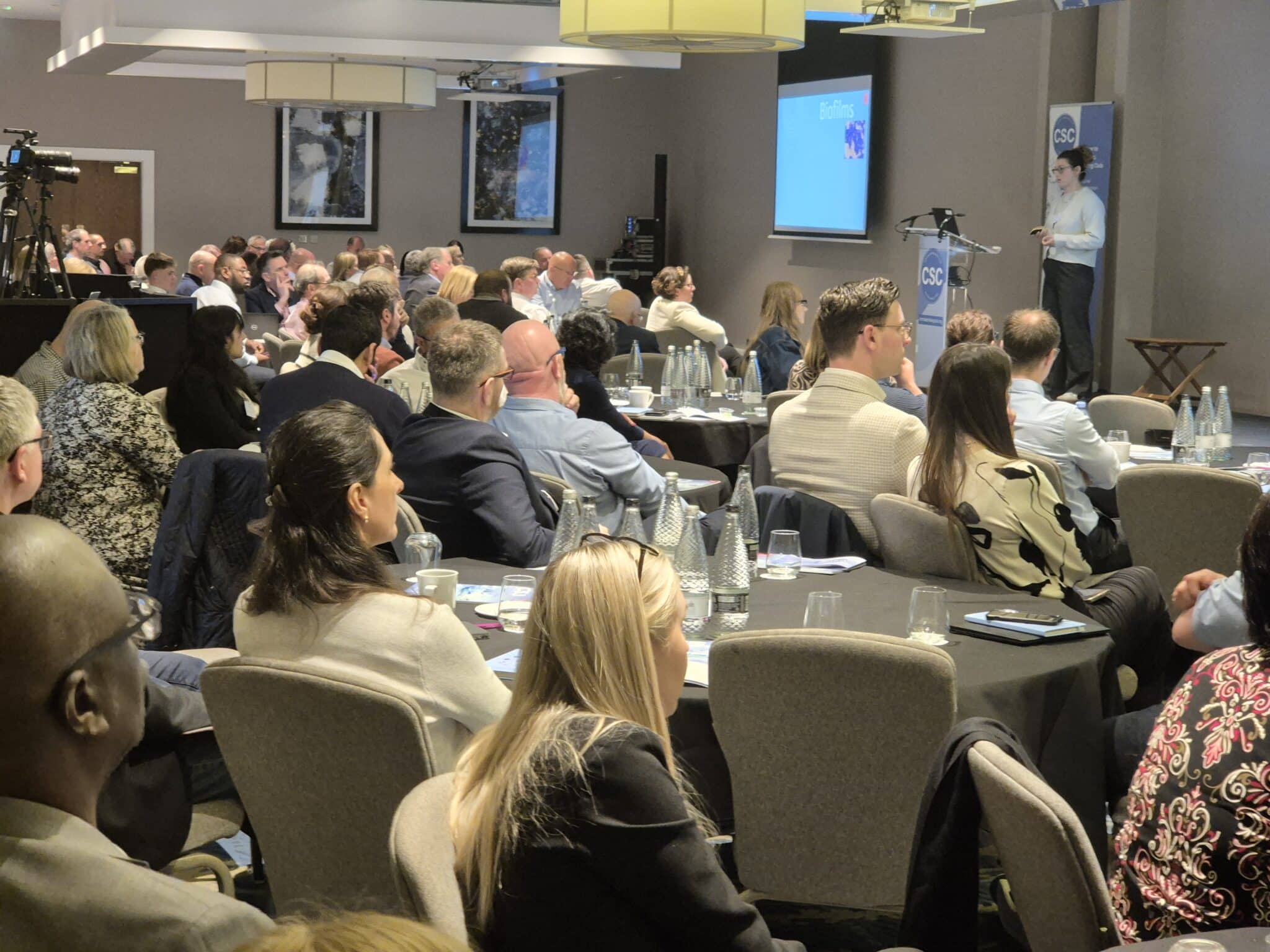
A conference session on human factors, trust and learning from imperfection in healthcare teams
Healthcare is, by nature, a risky business. But as one recent conference session reminded delegates, risk is not always something to fear. When teams are supported to talk openly about concerns, mistakes and near misses, risk can become a source of learning, innovation and safer care.
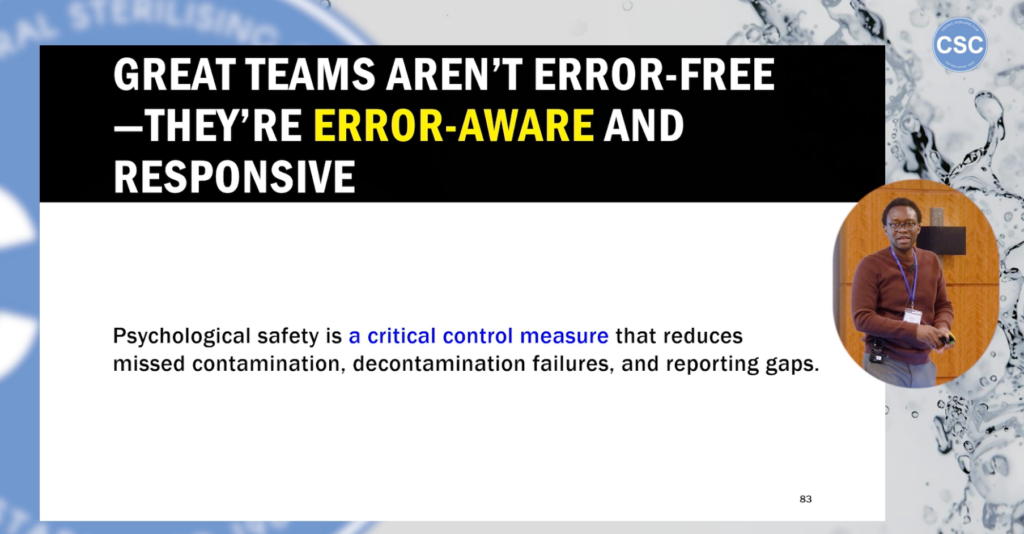
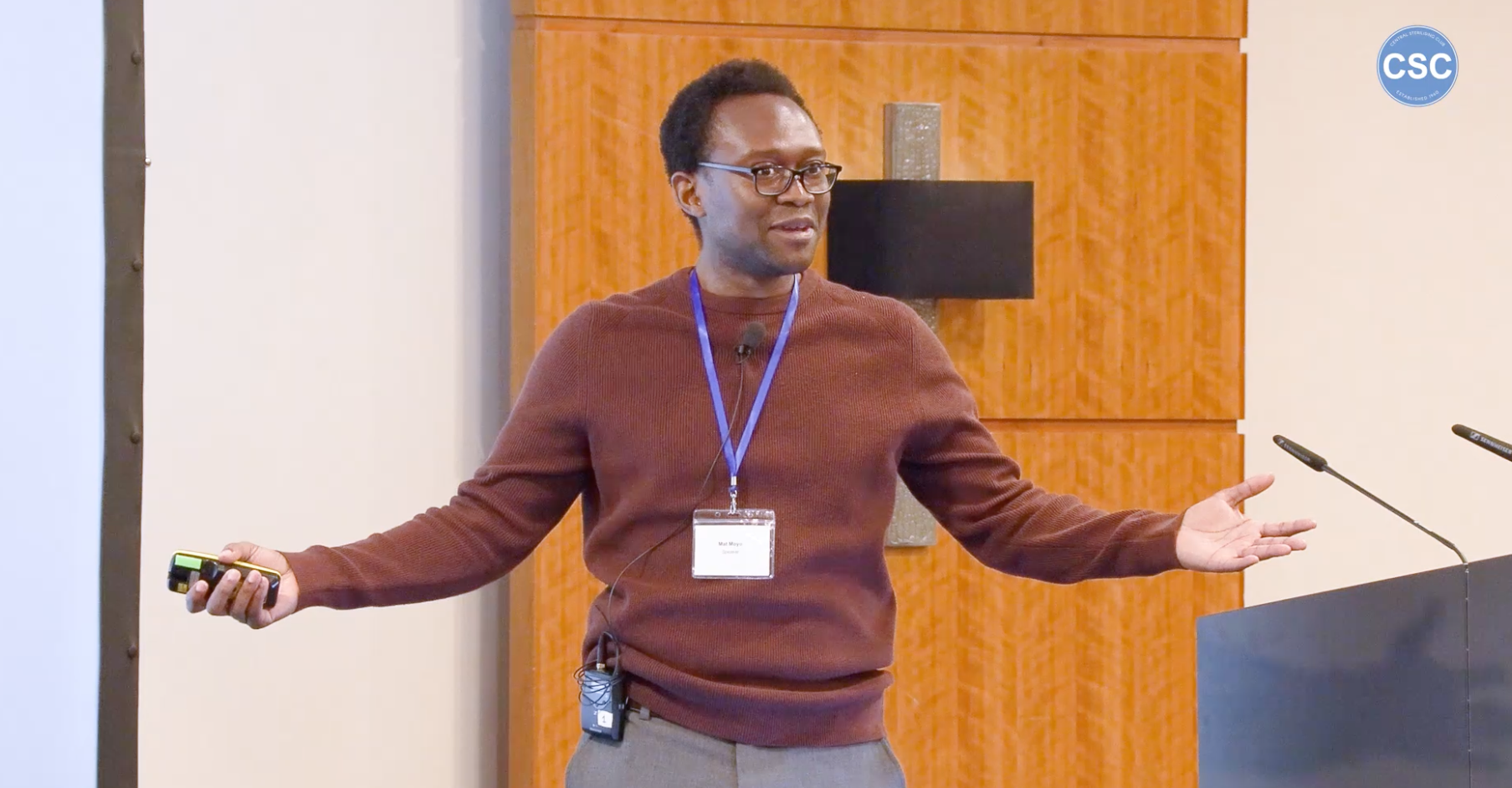
Speaker Mat Moyo, drawing on his background in infection prevention and control, systems thinking and behavioural science, explored how psychological safety can help healthcare teams embrace imperfection without lowering standards. His message was clear: great teams are not error-free; they are error-aware, responsive and willing to learn.
What is psychological safety?
Psychological safety is the shared belief that people can speak up without fear of embarrassment, punishment or negative consequences. In practical terms, it means team members feel included, safe to learn, safe to contribute and safe to challenge the status quo.
This matters because ideas and concerns often travel together. If people do not feel able to raise a concern, they are less likely to share the insight or suggestion that could prevent harm, improve a process or unlock a better way of working.
Learning from mistakes, not hiding them
One of the most powerful points from the session was the idea that teams with better outcomes may not make fewer mistakes; they may simply be more willing to report them. When mistakes are visible, teams can learn. When mistakes are hidden, systems deteriorate silently.
For decontamination, endoscopy and wider healthcare teams, this is especially important. When people deviate from a process, it can be an important signal that the system is under strain, unclear, impractical or potentially unsafe. Reporting them helps teams understand what is really happening and act before problems reach patients.
Why openness improves safety
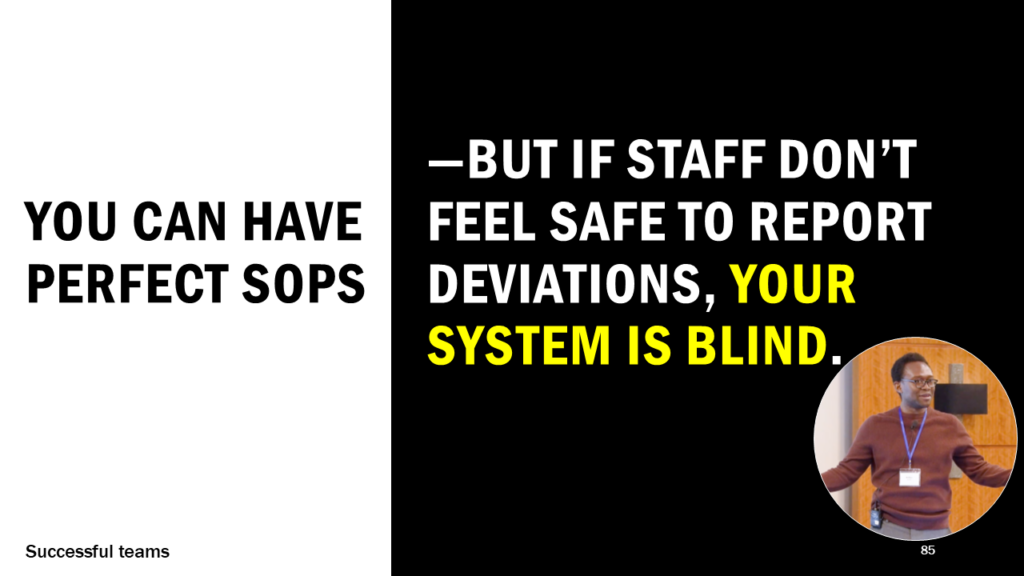
Open discussion builds trust. It allows people to understand why mistakes or workarounds happen, identify the conditions that contributed to them and develop practical improvements. It also helps prevent repeated errors by turning individual experience into shared learning.
In complex healthcare environments, this can make a real difference. For example, staff need to feel able to say when an endoscope is not ready to release, when turnaround pressure is unsafe, or when a newly procured device creates decontamination challenges. These conversations are not obstacles to productivity; they are essential safeguards.
The TRUST approach
Mat summarised practical steps for building psychological safety through the acronym TRUST:
- Tell the truth: Encourage people to raise concerns, report deviations and share what is really happening.
- Review mistakes kindly: Focus on the situation, process and conditions rather than blame.
- Uncover creative solutions: Ask those closest to the work what could improve, because frontline teams often see the most practical answers.
- Summon appropriate help: Reframe asking for help as a sign of awareness, professionalism and good judgement.
- Try again: Test new ideas, learn from results and keep improving rather than waiting for perfection.
Leadership sets the tone
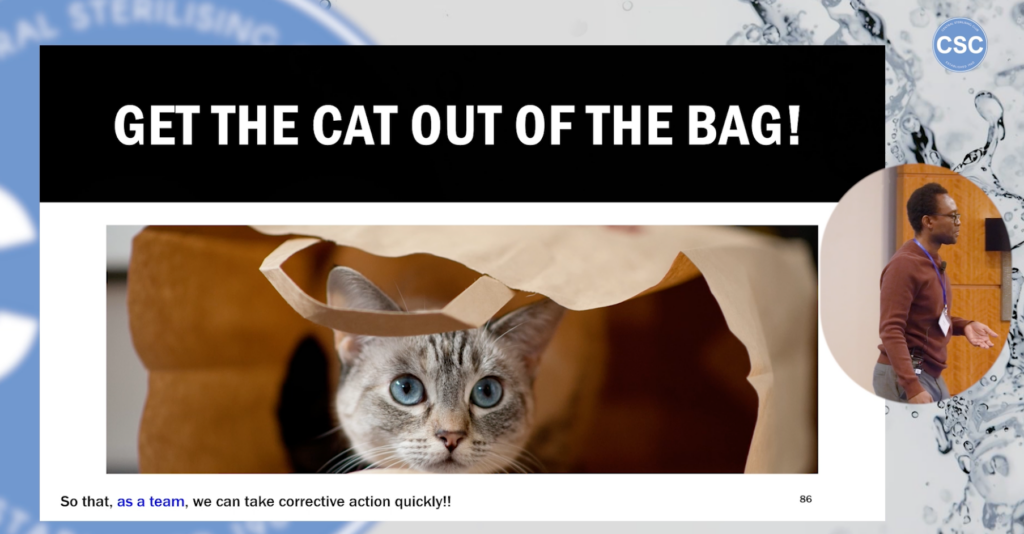
The session also highlighted the role of leaders in shaping culture. Teams are more likely to speak up when leaders listen without defensiveness, respond constructively and demonstrate that safety is a priority. This includes senior leaders making time to understand frontline realities and middle managers creating space for honest conversations.
Building psychological safety does not require every answer to come from the top. It starts with asking better questions, inviting concerns, valuing practical expertise and making it safe for people to say, “This is not working,” or “We need help.”
Key takeaway
Psychological safety is not about accepting poor practice or ignoring standards. It is about creating the conditions where people can identify risks early, discuss them openly and work together to improve. In healthcare, that openness is not optional; it is central to patient safety.
As Mat reminded delegates, when individuals and teams are honest about imperfection, they get better. The challenge for every healthcare team is to build a culture where speaking up is welcomed, mistakes become learning opportunities and trust becomes a practical safety tool.